
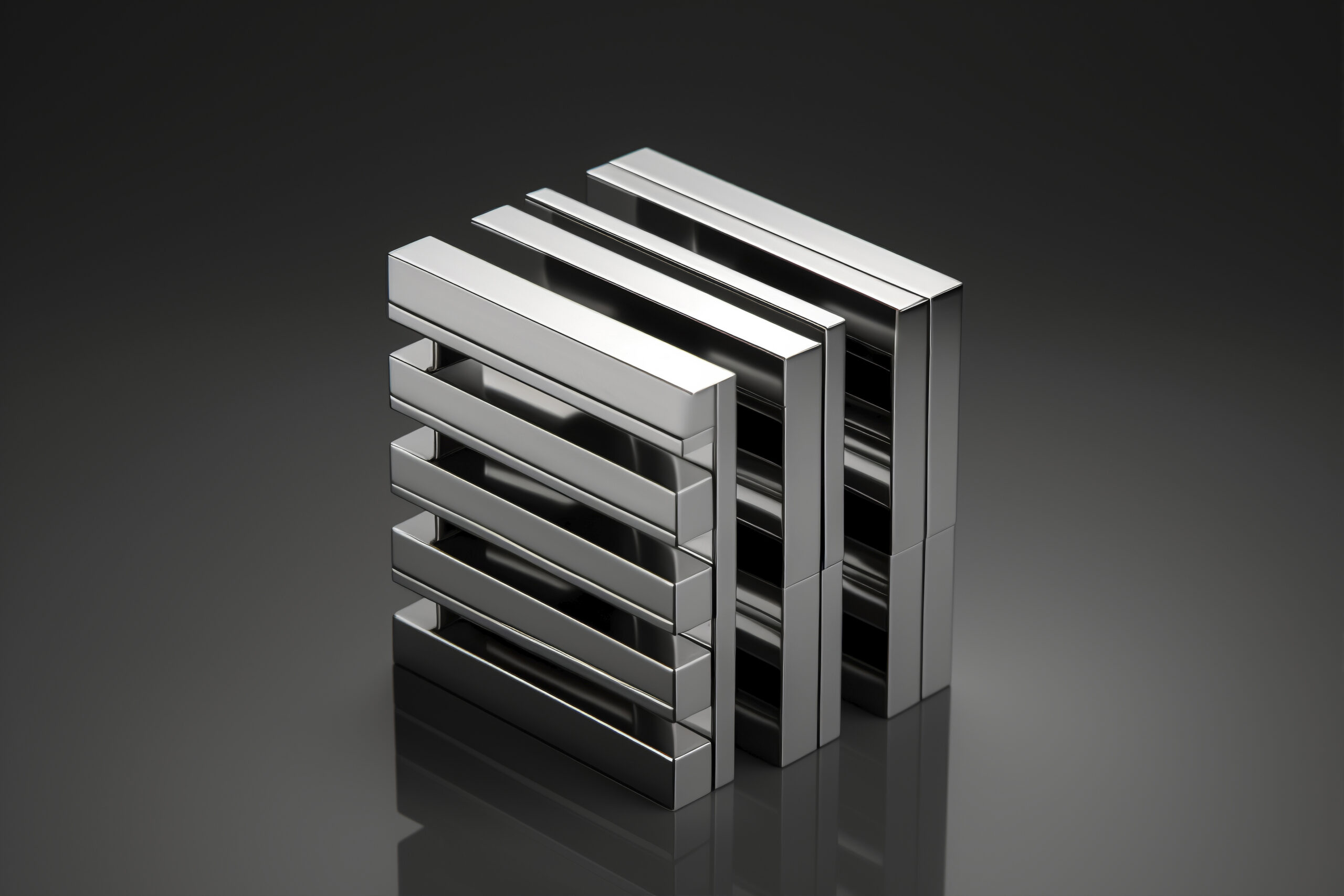
What is a bare metal server? its a physical server fully dedicated to a single user or organization. Unlike VPS or shared hosting, all resources—CPU, RAM, storage, and network—are exclusively yours. This guarantees maximum performance, stability, and security for applications that cannot afford slowdowns or interruptions.
A bare metal server is ideal for businesses that require reliable hardware performance. It is often used for enterprise applications, gaming, big data processing, or any workload demanding predictable performance. Unlike shared hosting, no other users can affect your server’s performance.
How a Bare Metal Server Works
A bare metal server provides direct access to the hardware. You can install your preferred operating system, configure the environment, and run any application without restrictions. Unlike virtual servers, there is no hypervisor layer, so there is no virtualization overhead slowing down your applications.
Bare metal servers give you complete control over software and hardware. This includes managing firewalls, security protocols, backups, and monitoring. You can choose exactly how the server operates, tailoring it to specific business needs.
Key Features of Bare Metal Hosting
- Full control of CPU, RAM, and storage
- Customizable hardware and software stack
- No shared resources, guaranteeing consistent performance
- Stronger security due to hardware isolation
- Enterprise-grade reliability
These features make bare metal hosting perfect for data-intensive workloads, high-traffic websites, or applications requiring strict compliance.
Bare Metal vs VPS
A common question is how bare metal servers differ from VPS. The main differences include:
- Bare Metal Server: Single tenant, full hardware access, high performance, predictable results.
- VPS: Multiple tenants share hardware; performance may fluctuate during peak usage.
While VPS is suitable for small applications, bare metal servers shine for critical workloads needing stability and speed.
Performance Advantages
Bare metal servers allow applications to fully utilize hardware resources. Some use cases include:
- Gaming servers requiring low latency
- Big data analysis and AI workloads
- Enterprise software needing uptime and performance
- High-traffic e-commerce websites
Direct access to hardware reduces latency and boosts speed, making it ideal for demanding tasks.
Bare Metal vs Dedicated Servers
All bare metal servers are dedicated, but not all dedicated servers offer the same flexibility.
- Bare Metal Server: Often cloud-managed, provisioned quickly, scalable, and with flexible billing.
- Traditional Dedicated Server: Usually rented long-term with limited scaling and slower provisioning.
Bare metal servers combine the benefits of dedicated hardware with the convenience of cloud-style management.
Use Cases for Bare Metal Servers
Businesses and developers choose bare metal servers for several scenarios:
- High-Performance Computing (HPC): Scientific simulations, AI training, large-scale computations.
- Gaming Servers: Multiplayer online games needing low latency and consistent performance.
- Big Data & AI: Efficient processing of large datasets without performance drops.
- Enterprise Applications: ERP, CRM, or other mission-critical software requiring uptime and security.
Bare metal servers are also ideal for applications with strict compliance and regulatory requirements.
Security Advantages
Security is one of the main reasons companies opt for bare metal servers. Since no one else shares the hardware, risks from neighboring tenants are eliminated. You also control all security measures, including firewalls, encryption, and antivirus systems.
For industries like healthcare, finance, and government, bare metal servers help meet compliance standards while maintaining top-notch performance.
Monitoring and Maintenance
Bare metal servers require proper monitoring and maintenance. Key activities include:
- Updating operating systems and applications
- Monitoring server hardware and performance
- Configuring backups and disaster recovery plans
- Managing security patches and compliance
Some providers offer fully managed bare metal services, reducing operational burden while maintaining peak performance.
Bare Metal Server Cost
Bare metal servers generally cost more than VPS or shared hosting, but they offer unmatched performance and reliability. Pricing depends on:
- CPU type and number of cores
- RAM size and storage type (HDD or SSD)
- Network bandwidth and speed
- Level of management support (self-managed or fully managed)
While costs may be higher, the benefits of performance, security, and control often justify the investment, especially for mission-critical workloads.
Scalability Considerations
Scaling bare metal servers can be more challenging than cloud VPS because hardware upgrades may require physical changes. However, modern providers allow rapid deployment of additional servers or upgrades to existing hardware, making scalability manageable.
Bare Metal Hosting Providers
Several hosting providers offer bare metal servers with flexible plans. Popular options include:
- IBM Cloud
- Oracle Cloud
- AWS Bare Metal
- Local providers such as dedicatedserver.id
When choosing a provider, consider:
- Variety of hardware configurations
- Security and compliance options
- Management and monitoring services
- Upgrade flexibility and pricing
Benefits of Choosing the Right Provider
- Faster deployment times
- Reduced maintenance burden with managed services
- Access to enterprise-level security and networking
- Technical support for troubleshooting and optimization
Bare Metal vs Cloud VPS: Quick Comparison
| Feature | Bare Metal Server | Cloud VPS |
|---|---|---|
| Resource Sharing | None | Shared |
| Performance | High & predictable | Variable |
| Security | Very high | Moderate |
| Customization | Full | Limited |
| Cost | Higher | Lower |
For businesses requiring predictable performance, sensitive data handling, or high reliability, bare metal servers are usually the better choice.
Why Choose Bare Metal Servers?
- Reliability: No shared resources mean consistent performance.
- Control: Full access to hardware and software stack.
- Security: Reduced risk of external attacks.
- Customization: Configure server environment as needed.
- Performance: Ideal for demanding workloads or high traffic.
Bare metal servers are not just for large enterprises. Small to medium businesses with critical applications can also benefit from dedicated hardware access and predictable uptime.
Choosing the Right Bare Metal Server for Your Needs
Not all bare metal servers are the same. When selecting a server, consider:
- CPU performance: More cores improve multi-threaded applications.
- RAM size: Critical for caching, databases, and AI workloads.
- Storage type: SSDs are faster, HDDs are cheaper.
- Network speed: Important for real-time applications and high-traffic sites.
- Operating system compatibility: Ensure your OS and software stack are supported.
Choosing the right configuration ensures your server runs efficiently and avoids unnecessary expenses.
Managed vs Self-Managed Bare Metal Servers
Bare metal servers can be either self-managed or fully managed:
- Self-managed: You handle setup, maintenance, monitoring, and security. Offers maximum control but requires technical expertise.
- Managed: Provider handles updates, security, and monitoring. Ideal for businesses without a dedicated IT team.
Managed options save time and reduce risks while still offering high performance.
Bare Metal Servers for Cloud Integration
Modern bare metal servers can integrate with cloud services for hybrid setups:
- Store backups in the cloud for disaster recovery
- Combine on-premises servers with cloud resources for scalability
- Use cloud APIs to manage resources dynamically
Hybrid setups allow businesses to enjoy bare metal performance with cloud flexibility.
Common Applications of Bare Metal Servers
Bare metal servers are versatile and suitable for many industries:
- E-commerce: High traffic websites require stable, fast servers.
- Streaming platforms: Video and audio streaming demand high bandwidth.
- Healthcare: Sensitive patient data requires secure dedicated servers.
- Finance: Trading platforms need low latency and high reliability.
Each application benefits from the predictability and control of a bare metal server.
Cost vs Value Consideration
While bare metal servers cost more upfront, they provide:
- Reliable performance without interruptions
- Stronger security and compliance capabilities
- Long-term cost efficiency by avoiding downtime losses
- Full hardware access for critical workloads
Investing in the right bare metal server can save money and time in the long run.
Tips for Optimizing Your Bare Metal Server Performance
Even though a bare metal server provides dedicated resources, optimizing it ensures maximum efficiency. Here are some practical tips:
- Regular Updates: Keep your operating system, software, and firmware up to date to maintain performance and security.
- Monitor Resource Usage: Track CPU, RAM, and storage usage to detect bottlenecks early.
- Optimize Storage: Use SSDs for high-speed read/write operations and implement RAID configurations for redundancy.
- Network Optimization: Ensure your server has sufficient bandwidth and consider load balancing for high-traffic applications.
- Application Tuning: Configure databases, web servers, and caching systems to leverage full hardware potential.
- Security Best Practices: Strong security measures prevent malware or unauthorized access that can slow down performance.
- Backup and Disaster Recovery: Regular backups not only secure data but also prevent system crashes from affecting uptime.
By implementing these optimizations, your bare metal server can consistently deliver high-speed performance, reliability, and stability for mission-critical workloads.
Future Trends in Bare Metal Hosting
The bare metal server market is evolving rapidly. Providers are integrating more automation, AI-driven monitoring, and hybrid cloud solutions. Expect faster provisioning, smarter resource allocation, and improved energy efficiency. Businesses will also benefit from stronger security protocols and easier scalability, making bare metal servers more accessible for small and medium enterprises.
Adopting these trends ensures your server environment stays modern, secure, and optimized for high-performance workloads, keeping your applications competitive and future-proof.
Softselling CTA (Expanded)
Looking for reliable, high-performance bare metal servers? Visit dedicatedserver.id to book your server today. Choose from fully managed or self-managed options, tailored to your business needs. Enjoy enterprise-grade security, predictable performance, and complete control.
Conclusion
A bare metal server gives full access to physical hardware, combining performance, security, and control. It is suitable for enterprise applications, gaming, big data, or any mission-critical task. While costs are higher than VPS, the benefits outweigh the investment for businesses that cannot compromise on reliability.
For hassle-free deployment and dedicated support, explore bare metal server options at dedicatedserver.id and unlock the full potential of your IT infrastructure.









Leave a Comment