
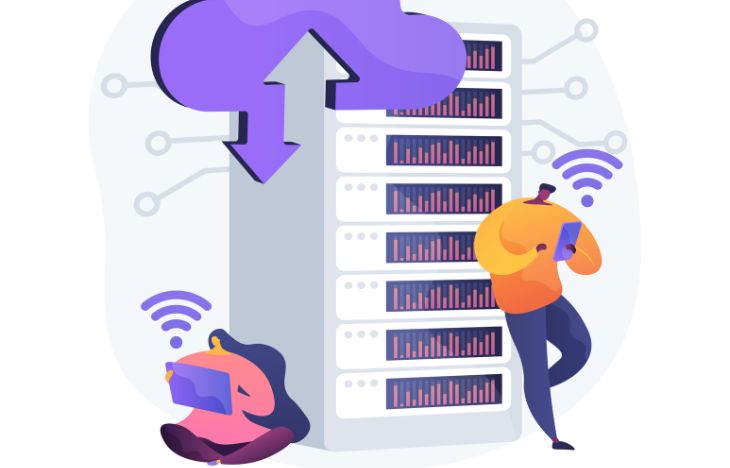
Dedicated Server for SaaS Applications
Dedicated server for SaaS is a trusted infrastructure choice for software companies that need stable performance, strong security, and predictable operating costs. As SaaS products scale, shared environments often become a bottleneck rather than a benefit.
SaaS businesses rely on continuous availability. Users expect fast response times, reliable access, and secure data handling at all times. Any performance issue can directly affect customer trust, churn rate, and revenue.
This article explains how a dedicated server for SaaS supports real-world use cases, why many SaaS companies adopt it, and when it becomes the right infrastructure decision.
What Is a Dedicated Server for SaaS?
A dedicated server for SaaS is a physical server fully allocated to one SaaS application or company. All computing resources, including CPU, RAM, storage, and bandwidth, are used exclusively by a single workload.
Unlike shared hosting or heavily virtualized environments, dedicated servers eliminate competition for resources. This creates a stable foundation for SaaS hosting that demands consistent performance.
For many growing SaaS companies, dedicated infrastructure becomes essential when reliability and control matter more than short-term flexibility.
Why SaaS Applications Need Specialized Hosting
SaaS platforms operate differently from traditional websites. They handle continuous user activity, background processing, API requests, and database operations simultaneously.
As user numbers increase, the application server must process more concurrent requests while maintaining fast response times. This workload is difficult to manage in shared environments.
Dedicated servers allow SaaS companies to design infrastructure around application behavior, not hosting limitations.
Dedicated Server for SaaS and Performance Stability
A dedicated server for SaaS ensures performance stability because hardware resources are not shared with other tenants. This prevents unexpected slowdowns caused by noisy neighbors.
Stable performance is critical for SaaS platforms offering:
- Subscription-based services
- Real-time dashboards
- API-driven applications
- Enterprise-grade solutions
Consistent speed improves user experience and increases long-term customer retention.
Dedicated Server vs Shared Hosting for SaaS
Shared hosting is designed for basic websites, not complex SaaS platforms. Resources are divided among many users, which makes performance unpredictable.
In SaaS hosting scenarios, shared environments often cause:
- Slow page loads during peak traffic
- Unreliable background jobs
- Limited configuration options
A dedicated server for SaaS removes these risks by giving full control over system resources.
Dedicated Server vs VPS for SaaS Hosting
Virtual Private Servers are a popular starting point for early-stage SaaS products. They offer more flexibility than shared hosting but still rely on shared physical hardware.
As SaaS workloads grow, VPS limitations become more visible, especially during traffic spikes.
Dedicated servers eliminate virtualization overhead and deliver direct hardware access, making them ideal for performance-critical SaaS applications.

Key Benefits of Dedicated Server for SaaS Companies
1. Stronger Security and Isolation
SaaS platforms often manage sensitive user data, payment details, and proprietary information.
With a dedicated server for SaaS, the entire environment is isolated. There is no risk of cross-tenant vulnerabilities, making it easier to enforce strict security policies.
2. Full Control Over Application Server Configuration
SaaS teams frequently require custom software stacks, specific runtime versions, or optimized database settings.
Dedicated servers provide full root access, allowing complete control over the application server environment.
3. Predictable Infrastructure Costs
Unlike usage-based cloud billing, dedicated servers offer fixed monthly pricing.
This predictability helps SaaS companies:
- Plan budgets accurately
- Maintain healthy profit margins
- Avoid unexpected cost spikes
Common SaaS Use Cases for Dedicated Servers
Multi-Tenant SaaS Platforms
Many SaaS products serve multiple customers from a single codebase. These platforms require reliable resource allocation to ensure fair performance.
A dedicated server for SaaS provides enough capacity to manage multi-tenant workloads efficiently.
Data-Intensive SaaS Applications
SaaS tools that process analytics, reports, or large datasets benefit significantly from dedicated hardware.
High-speed storage and large memory pools improve database performance and reduce processing delays.
API-Based SaaS Products
API-driven SaaS platforms handle thousands of requests from web apps, mobile apps, and integrations.
Dedicated servers ensure low latency and stable throughput for API traffic.
Scalability Strategy with Dedicated Servers
Scalability does not always require cloud-only infrastructure.
SaaS companies often scale dedicated servers by:
- Upgrading CPU and RAM
- Adding additional application servers
- Using load balancers
This approach offers controlled growth without sacrificing performance.
Dedicated Servers in Modern SaaS Architecture
Application Server Layer
Dedicated servers are commonly used as the primary application server, handling user requests and business logic.
Database Layer
Databases require consistent I/O performance. Dedicated servers reduce contention and improve query speed.
Background Processing
Job queues and scheduled tasks run more reliably on dedicated infrastructure without affecting frontend performance.
Cost Optimization for SaaS Businesses
A dedicated server for SaaS allows companies to match infrastructure capacity with real workloads.
This prevents overpaying for unused cloud resources and supports sustainable long-term growth.
Managed vs Unmanaged Dedicated Servers
SaaS companies can choose between managed and unmanaged dedicated servers.
- Managed: Less operational effort, ideal for small teams
- Unmanaged: Full control, suitable for experienced DevOps teams
When Should SaaS Companies Choose Dedicated Servers?
Dedicated servers are ideal when:
- User traffic becomes stable
- Performance issues appear on VPS or cloud
- Security requirements increase
- Cost predictability is needed

How Dedicated Servers Support Long-Term SaaS Growth
As a SaaS business matures, infrastructure decisions become more strategic than technical. A dedicated server for SaaS is not only about performance today, but also about supporting sustainable growth in the long run.
Many SaaS companies experience rapid user adoption after product-market fit. Without the right hosting foundation, growth can introduce instability instead of success.
Dedicated servers provide the stability and control required to scale confidently while maintaining service quality.
Dedicated Server for SaaS and User Experience Consistency
User experience is one of the most important factors in SaaS retention. Slow loading times, delayed actions, or system downtime quickly lead to churn.
By using a dedicated server for SaaS, companies ensure that application performance remains consistent even as the number of users increases.
This consistency helps SaaS platforms deliver:
- Faster response times
- Reliable feature availability
- Smooth onboarding for new users
When users trust the platform, they are more likely to stay and upgrade their subscriptions.
Supporting SaaS Product Expansion
As SaaS products evolve, new features often require additional processing power and memory.
Examples include advanced analytics, automation workflows, real-time notifications, or AI-based features.
A dedicated server allows SaaS teams to deploy new features without worrying about strict resource limits imposed by shared environments.
This flexibility accelerates product innovation while keeping the platform stable.
Dedicated Server for SaaS and Business Reliability

Reliability is critical for SaaS businesses, especially those serving enterprise customers.
Downtime does not only cause temporary inconvenience. It can damage brand reputation and violate service-level agreements.
A dedicated server for SaaS reduces the risk of outages caused by external tenants or oversubscribed infrastructure.
Higher Uptime for Mission-Critical SaaS Applications
Many SaaS platforms are essential tools for their customers’ daily operations.
Examples include accounting software, CRM systems, project management tools, and internal business platforms.
Dedicated servers offer higher uptime because system resources are controlled and monitored exclusively for one application.
This makes them ideal for mission-critical SaaS environments.
Operational Stability for SaaS Teams
From an internal perspective, stable infrastructure reduces operational stress for SaaS teams.
Developers and product managers can focus on improving features instead of constantly fixing performance issues.
This operational stability leads to faster development cycles and better overall product quality.
Dedicated Server for SaaS and Data Management
Data is the core asset of any SaaS platform.
User profiles, transactional records, logs, and analytics data grow continuously over time.
A dedicated server for SaaS provides the resources required to manage large datasets efficiently.
Improved Database Performance
Databases benefit greatly from dedicated hardware.
High-performance disks, large memory allocations, and stable CPU access improve query speed and data consistency.
This is especially important for SaaS applications with complex reporting or search functionality.
Better Backup and Disaster Recovery Control
Dedicated servers allow SaaS companies to implement custom backup strategies.
This includes:
- Scheduled full backups
- Incremental backups
- Offsite replication
Having full control over backup systems improves disaster recovery readiness.
Dedicated Server for SaaS Pricing Strategy
Infrastructure costs directly influence SaaS pricing models.
With usage-based cloud billing, costs can fluctuate and become difficult to predict.
A dedicated server for SaaS provides stable monthly expenses, making pricing strategies easier to manage.
Supporting Fixed and Tier-Based Pricing
Many SaaS companies use fixed or tier-based subscription plans.
Dedicated servers align well with this approach because infrastructure costs remain predictable.
This helps SaaS businesses maintain healthy margins without passing unexpected costs to customers.
Reducing Cost Overhead at Scale
As user numbers grow, cloud costs can increase exponentially.
Dedicated servers often become more cost-efficient at scale, especially for workloads with steady usage patterns.
This allows SaaS companies to reinvest savings into marketing, development, or customer support.
Dedicated Server for SaaS in Competitive Markets

The SaaS market is highly competitive.
Performance, reliability, and security often differentiate successful products from average ones.
A dedicated server for SaaS can become a hidden competitive advantage.
Building Trust with Enterprise Customers
Enterprise clients often evaluate infrastructure before adopting a SaaS solution.
Dedicated servers demonstrate commitment to performance, security, and data protection.
This increases confidence during sales discussions and procurement processes.
Preparing for Long-Term SaaS Success
Infrastructure decisions made today can impact SaaS growth for years.
Dedicated servers provide a solid, scalable foundation that adapts as the business evolves.
For SaaS companies with long-term vision, this stability supports sustainable success.
Soft CTA: Choosing the Right Dedicated Server Partner
Selecting the right infrastructure provider is just as important as choosing the server itself.
If your SaaS application needs reliable performance, strong security, and predictable costs, a dedicated server can be a long-term solution.
To explore tailored dedicated server solutions for SaaS applications, you can consult with the infrastructure experts at:
👉 https://www.dedicatedserver.id/
This approach allows SaaS teams to focus on product development while relying on stable, professional-grade infrastructure.
Conclusion
A dedicated server for SaaS remains a powerful foundation for scalable, secure, and high-performance SaaS platforms.
While cloud services offer flexibility, dedicated servers deliver consistency, control, and predictable costs that many SaaS businesses need as they grow.
For SaaS companies focused on reliability and long-term success, dedicated infrastructure continues to be a smart and relevant choice.










Leave a Comment