
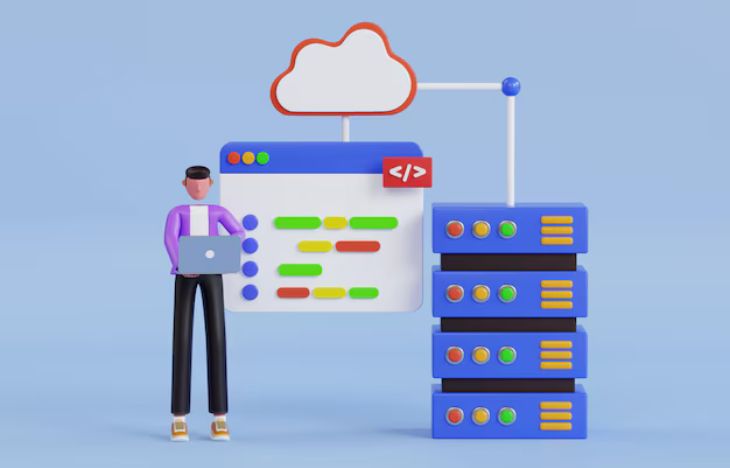
Dedicated server security is crucial for businesses and individuals who rely on high-performance servers. Ensuring your dedicated server is protected from threats like unauthorized access, malware, and downtime is essential for maintaining performance and reliability.
Why Dedicated Server Security Matters
Unlike shared hosting, a dedicated server provides full control over resources, but it also requires stronger security measures. Implementing robust dedicated server security reduces vulnerabilities, prevents data breaches, and ensures uninterrupted service.
Common Server Vulnerabilities
- Unauthorized Access: Weak passwords or default configurations can allow attackers in.
- Malware and Viruses: Malicious software can compromise data and performance.
- DDoS Attacks: Flooding your server with traffic can cause downtime.
- Data Breaches: Sensitive information can be stolen without proper protection.
Server Hardening: Strengthening Your Server
Server hardening is the process of minimizing security risks by configuring your server to reduce potential attack points.
- Regular Updates: Keep the OS and applications patched.
- Disable Unnecessary Services: Reduce attack surfaces by turning off unused services.
- Strong Passwords: Implement complex passwords and regular changes.
- Limit User Privileges: Grant only necessary permissions to users.
- SSH Key Authentication: Use keys instead of passwords for remote login.
Firewalls: First Line of Defense
Setting up a properly configured firewall is essential to protect your server from unauthorized traffic and attacks.
- Network-level firewall to filter incoming and outgoing traffic.
- Application-level firewall for specific applications.
- Regular firewall audits to ensure security rules are up-to-date.
Intrusion Detection and Prevention
Use IDS and IPS systems to monitor your server for suspicious activity:
- Real-time network and log monitoring
- Automatic alerts for potential threats
- Active prevention of unauthorized access
Regular Backups and Disaster Recovery
Even with strong security, accidents can happen. Regular backups ensure you can recover quickly:
- Automated backup schedules
- Multiple secure storage locations
- Periodic recovery tests
Monitoring and Logging
Continuous monitoring helps detect unusual activities early. Effective logging practices include:
- Record all server activity and system changes
- Use monitoring tools to track security metrics
- Set up alerts for anomalies such as failed logins
SSL/TLS and Data Encryption
Encrypting server data and communication is essential for dedicated server security:
- Use SSL/TLS for secure connections
- Encrypt sensitive stored files
- Use secure protocols for remote access (SFTP, HTTPS)
Security Policies and Access Control
Define and enforce clear policies for server use:
- Restrict physical and remote access to authorized personnel
- Role-based access control for server resources
- Regularly review user accounts and permissions
- Educate staff about security awareness
Advanced Security Measures
For higher security needs:
- Two-Factor Authentication (2FA)
- Regular security audits and penetration testing
- Security Information and Event Management (SIEM)
- Use VPNs for secure remote connections
Operational Security Strategy for Long-Term Server Protection
Maintaining strong protection is not a one-time task, but an ongoing operational process. In real-world environments, security risks evolve as systems grow, applications change, and new vulnerabilities emerge. A long-term operational security strategy ensures your server remains resilient against both internal and external threats while supporting stable performance and business continuity.

At the operational level, dedicated server security depends heavily on consistency, discipline, and visibility. Even a well-hardened server can become vulnerable if daily operational practices are ignored. This section explores how to manage security as a continuous process rather than a static configuration.
Security-Oriented Server Management Workflow
Establishing a structured workflow allows administrators to manage risks proactively instead of reacting to incidents. A security-oriented workflow typically includes:
- Routine system checks to identify configuration drift or unauthorized changes
- Scheduled update cycles for operating systems and applications
- Access reviews to verify user permissions remain appropriate
- Log analysis to detect unusual behavior early
This workflow should be documented and followed consistently. When security tasks become part of standard operations, the likelihood of human error decreases significantly.
Patch Management and Update Discipline
One of the most common causes of server compromise is delayed patching. Attackers frequently exploit known vulnerabilities for which fixes already exist. Effective patch management includes:
- Monitoring security advisories from OS and software vendors
- Testing patches in a staging environment before deployment
- Applying updates during scheduled maintenance windows
- Documenting changes for rollback if issues arise
By maintaining update discipline, administrators significantly reduce exposure to exploits without introducing unnecessary downtime.
Access Lifecycle Management
Access control is not only about initial configuration. Over time, staff roles change, projects end, and external contractors rotate. Each change introduces potential risk if access is not properly reviewed.
Best practices for managing access lifecycle include:
- Creating user accounts tied to specific roles
- Removing unused or inactive accounts promptly
- Enforcing periodic password or key rotation
- Logging all authentication attempts for auditing
From an operational perspective, access control is one of the most impactful areas for strengthening dedicated server security without additional infrastructure costs.
Security Monitoring as a Daily Activity
Monitoring should be treated as a daily responsibility rather than an occasional task. Modern servers generate extensive logs that can reveal early warning signs of compromise.
Key indicators administrators should monitor include:
- Repeated failed login attempts
- Unexpected privilege escalation
- Unusual outbound network traffic
- Sudden spikes in CPU, memory, or disk usage
When combined with alerting systems, monitoring enables faster response and minimizes potential damage.
Configuration Management and Change Control
Configuration drift occurs when servers slowly deviate from their secure baseline due to undocumented changes. Over time, this drift weakens protection and creates blind spots.
To prevent this:
- Define a secure baseline configuration
- Document all changes before implementation
- Use version control for configuration files
- Perform periodic configuration audits
Effective change control ensures that security improvements are intentional and traceable rather than accidental.
Incident Response Preparation
No security system is perfect. Preparing for incidents is just as important as preventing them. An incident response plan allows teams to act quickly and confidently when a threat is detected.
An effective response plan includes:
- Clear escalation paths and responsibilities
- Steps for isolating affected systems
- Procedures for evidence collection and analysis
- Recovery and restoration guidelines
Practicing these procedures through simulations helps reduce panic and mistakes during real incidents.
Backup Integrity and Recovery Validation
Backups are only valuable if they are reliable. Operational security requires verifying not only that backups exist, but that they can be restored successfully.
Administrators should:
- Validate backup integrity regularly
- Store backups in isolated locations
- Test restoration processes periodically
- Protect backup access with strict permissions
Strong backup practices act as a safety net, limiting the impact of ransomware, accidental deletion, or system failure.
Human Factors and Security Awareness
Technology alone cannot guarantee protection. Human behavior plays a significant role in server security. Phishing attacks, misconfigurations, and weak credentials often originate from lack of awareness.
Improving human-related security includes:
- Training staff on common attack vectors
- Promoting secure password practices
- Encouraging reporting of suspicious activity
- Limiting administrative access to trained personnel
When people understand the impact of their actions, overall security posture improves dramatically.
Aligning Security with Business Growth
As infrastructure scales, security strategies must evolve accordingly. What works for a single server may not be sufficient for larger deployments or mission-critical workloads.
Planning for growth includes:
- Evaluating security tools that scale with demand
- Standardizing configurations across environments
- Automating repetitive security tasks
- Reviewing security policies during expansion
A scalable approach ensures dedicated server security remains effective without slowing innovation or increasing operational overhead.
Long-Term Security as a Competitive Advantage
Organizations that invest in consistent security operations often experience fewer outages, higher customer trust, and better compliance outcomes. Over time, strong security becomes a competitive advantage rather than a cost center.
By treating security as a continuous operational process, businesses can protect their infrastructure while focusing on growth and performance.
For organizations seeking reliable infrastructure with professional support, choosing a trusted provider can simplify security operations. Consider a managed solution and
Evaluating and Improving Server Security Over Time
Security is never static. As threats evolve and server usage changes, administrators must regularly evaluate existing protections to ensure they remain effective. Continuous evaluation helps identify weaknesses early and allows improvements to be implemented before incidents occur.
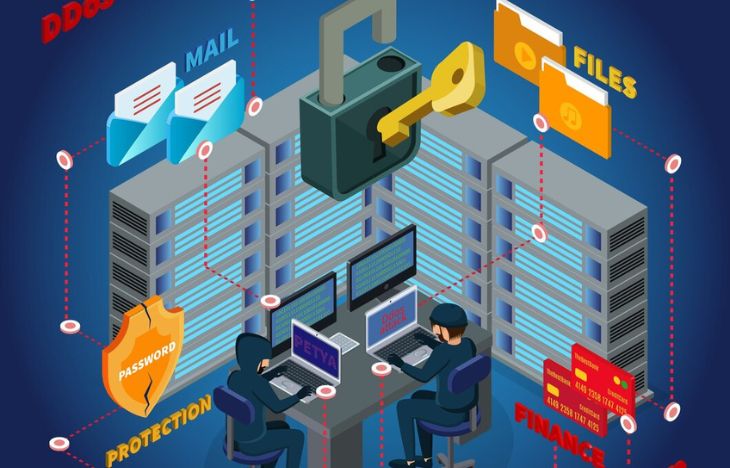
One of the most effective ways to maintain dedicated server security is through periodic reviews. These reviews provide visibility into how well current configurations, policies, and operational practices are performing against modern threat scenarios.
Regular Security Audits
Security audits involve systematically reviewing server configurations, access controls, logs, and software versions. Audits can be internal or performed by third-party professionals for an objective perspective.
- Review firewall rules and open ports
- Verify user accounts and permission levels
- Check patch status and software versions
- Inspect logs for unusual or recurring anomalies
These audits help ensure that security controls remain aligned with best practices and operational needs.
Vulnerability Scanning and Testing
Vulnerability scanning tools automatically detect known weaknesses within the server environment. While scanning does not replace manual reviews, it provides valuable insight into exploitable risks.
Recommended practices include:
- Running scans after major configuration changes
- Prioritizing fixes based on risk severity
- Documenting findings and remediation steps
Over time, consistent scanning significantly improves the overall resilience of the server.
Measuring Security Performance
To improve security, it must be measured. Tracking key indicators allows administrators to understand trends and evaluate whether implemented controls are effective.
- Number of blocked intrusion attempts
- Frequency of failed login events
- Time required to detect and respond to incidents
- System uptime and stability metrics
These measurements provide actionable insights for refining security strategies.
Adapting to New Threats
Attack techniques evolve constantly. Staying informed through security advisories, industry updates, and threat intelligence feeds allows administrators to adapt defenses proactively.
By continuously reviewing, testing, and improving security measures, organizations ensure that their infrastructure remains protected, stable, and trustworthy. This adaptive approach strengthens long-term reliability and supports sustainable growth.
Conclusion: Maintaining Dedicated Server Security
Maintaining dedicated server security is an ongoing effort. Combining server hardening, firewalls, monitoring, encryption, and proper policies ensures protection against threats while maintaining performance. For simplified management and professional security support, consider booking a reliable dedicated server provider. Book your dedicated server today and secure your infrastructure efficiently. {gambar/ilustrasi:dedicated server security conclusion}












Leave a Comment