
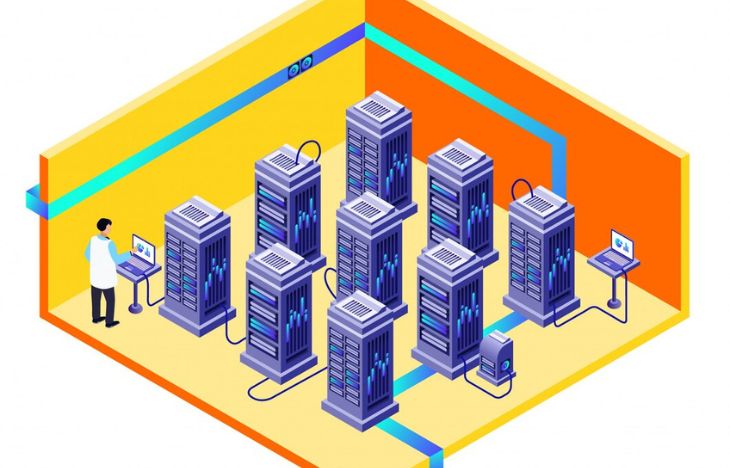
Managed dedicated server solutions are increasingly chosen by businesses that want powerful performance without dealing with complex server administration. As websites, applications, and online systems grow, many companies face a crucial decision: should they use a managed or unmanaged dedicated server?
This article explains the differences in a clear and practical way. We will compare features, responsibilities, costs, and real-world use cases so you can choose the right server model based on your technical needs and business goals.
What Is a Managed Dedicated Server?
A managed dedicated server is a physical server used exclusively by one client, where the hosting provider takes care of server administration tasks. This includes both routine maintenance and advanced technical management.
With a managed solution, you still receive full hardware resources, but you are not required to manage the server at a technical level.
Typical services included in a server management service are:
- Operating system installation and updates
- Security hardening and firewall setup
- 24/7 server monitoring
- Performance optimization
- Backup and disaster recovery management
- Technical support and troubleshooting
This model is ideal for businesses that want reliability, security, and performance without hiring an in-house server administrator.
What Is an Unmanaged Dedicated Server?
An unmanaged dedicated server also provides exclusive access to physical hardware. However, the provider only supplies the server and network connectivity. All configuration and management tasks are handled by the user.
When using an unmanaged server, you are responsible for:
- Installing and configuring the operating system
- Managing software updates and patches
- Implementing security measures
- Monitoring performance and uptime
- Handling backups and recovery
This option is usually chosen by experienced system administrators or DevOps teams that require full control over the server environment.
Managed Dedicated Server vs Unmanaged Dedicated Server
To understand which option suits your needs, it is important to compare both solutions in several key areas.
1. Technical Responsibility
The biggest difference lies in who manages the server.
- Managed dedicated server: Provider handles technical tasks
- Unmanaged dedicated server: User handles everything
If your team does not have strong server administration skills, a managed solution significantly reduces risk.
2. Security and Stability
Security threats are constantly evolving. A managed dedicated server includes proactive protection such as:
- Regular security updates
- Intrusion detection
- DDoS mitigation
- Malware scanning
With unmanaged servers, missing a single update can lead to serious vulnerabilities.
3. Performance Optimization
Performance tuning requires experience. Managed environments benefit from professional optimization, including:
- CPU and RAM tuning
- Disk I/O optimization
- Web server and database configuration
This ensures stable performance even during traffic spikes.
Managed Dedicated Server for Business Efficiency
A managed dedicated server helps businesses operate more efficiently by reducing operational complexity. Instead of spending time on server maintenance, teams can focus on:
- Product development
- Marketing and growth
- Customer experience
This is especially valuable for small and medium-sized businesses that want enterprise-level infrastructure without enterprise-level staffing costs.
Cost Considerations: Managed vs Unmanaged
At first glance, unmanaged servers appear cheaper. However, real costs include more than monthly fees.
Hidden costs of unmanaged servers may include:
- Hiring or training technical staff
- Emergency troubleshooting expenses
- Revenue loss due to downtime
A managed dedicated server bundles these services into a predictable monthly cost, making budgeting easier and more transparent.
Use Cases for Managed Dedicated Server
E-commerce Websites
Online stores require high uptime, fast loading speeds, and strong security. Managed servers ensure smooth operations during high-traffic events such as promotions or sales campaigns.
Corporate and Enterprise Systems
Businesses handling sensitive data benefit from professional server management that ensures compliance, security, and reliability.
SaaS and Web Applications
SaaS providers rely on stable infrastructure. A managed dedicated server allows developers to focus on features rather than server maintenance.
When Should You Choose an Unmanaged Dedicated Server?
An unmanaged server may still be the right choice if:
- You have an experienced IT or DevOps team
- You need full customization at the system level
- You prefer direct control over all configurations
For highly technical organizations, unmanaged servers offer flexibility without additional management costs.
Why a Managed Dedicated Server Is Ideal for Long-Term Business Growth

A managed dedicated server is not only a hosting solution for today’s needs, but also a strategic investment for long-term business growth. As digital operations become more complex, businesses require infrastructure that is stable, secure, and able to scale without disrupting daily activities.
Many companies start with basic hosting solutions. However, as traffic increases and applications demand more resources, performance issues often appear. Slow loading times, unexpected downtime, and security incidents can directly impact customer trust and revenue. This is where a managed dedicated server becomes a critical upgrade.
By combining powerful hardware with professional server management service, businesses can grow confidently without worrying about infrastructure limitations.
Reducing Technical Risks as Your Business Scales
Scaling a digital business introduces technical risks. More users mean more traffic, more data, and higher security exposure. Without proper management, servers can become unstable or vulnerable.
A managed dedicated server minimizes these risks through proactive monitoring and maintenance. Instead of reacting to problems after they happen, managed services focus on prevention.
- Continuous resource monitoring prevents overload
- Security patches reduce vulnerability exposure
- Performance tuning ensures stable response times
This proactive approach is difficult to achieve without a dedicated technical team, making managed services especially valuable for growing companies.
Improving Business Focus and Productivity
One overlooked benefit of a managed dedicated server is improved internal productivity. When teams are not distracted by server issues, they can focus on what truly matters.
For example:
- Developers can focus on building features instead of fixing server errors
- Marketing teams can run campaigns without worrying about traffic spikes
- Management can plan growth strategies with confidence in infrastructure stability
This shift in focus often leads to faster product development, better customer experience, and more efficient operations overall.
Consistent Performance for Customer Satisfaction
Customer expectations are higher than ever. Users expect websites and applications to load quickly and function smoothly at all times. Performance issues can cause users to leave within seconds.
A managed dedicated server delivers consistent performance because resources are not shared with other clients. Combined with professional optimization, this ensures:
- Fast page load times
- Stable application performance
- Reliable uptime during peak traffic
For e-commerce, SaaS, or content-driven platforms, this reliability directly affects conversion rates and customer loyalty.
Security as a Core Business Requirement
Security is no longer optional. Cyber threats continue to evolve, targeting businesses of all sizes. A single breach can damage reputation and result in financial loss.
With a managed dedicated server, security is built into daily operations. A professional server management service typically includes:
- Firewall configuration and monitoring
- Malware detection and removal
- Intrusion prevention systems
- Regular security audits
This level of protection is difficult to maintain consistently without specialized expertise, making managed solutions a safer choice for long-term operations.
Scalability Without Operational Disruption
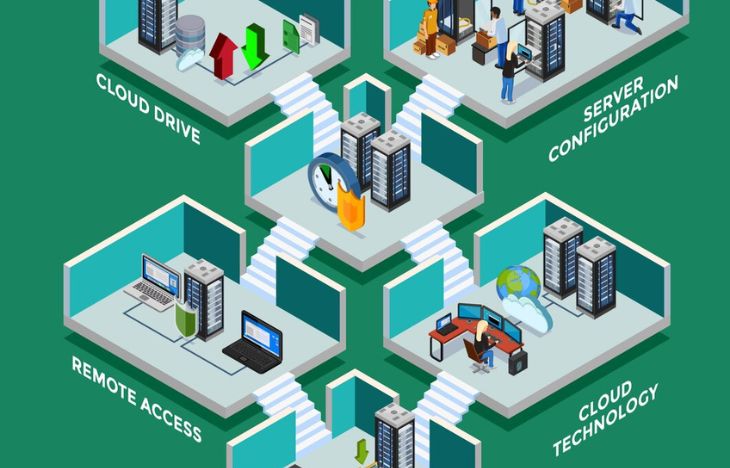
As businesses grow, infrastructure must scale accordingly. Adding more users, applications, or data should not cause downtime or performance degradation.
A managed dedicated server allows businesses to scale smoothly through:
- Hardware upgrades with minimal disruption
- Resource reallocation based on usage trends
- Performance planning guided by experts
This ensures that growth does not compromise user experience or system stability.
Predictable Costs and Better Budget Planning
While unmanaged servers may appear cheaper at first, long-term costs can be unpredictable. Emergency repairs, downtime losses, and hiring skilled technicians can quickly exceed expectations.
A managed dedicated server offers predictable monthly costs that include support, maintenance, and optimization. This makes financial planning easier and reduces unexpected expenses.
For businesses aiming for steady growth, cost predictability is just as important as performance.
Supporting Compliance and Industry Standards
Many industries require compliance with data protection and security standards. A managed dedicated server helps businesses meet these requirements through documented processes and consistent server management.
Managed providers often assist with:
- Secure data handling practices
- Access control and logging
- Backup and recovery compliance
This is particularly important for finance, healthcare, and enterprise-level applications.
Long-Term Partnership with Your Hosting Provider
Choosing a managed dedicated server is not just about technology, but also about partnership. A reliable server management service acts as an extension of your technical team.
Instead of facing infrastructure challenges alone, businesses gain access to experienced professionals who understand their system and growth goals.
This long-term collaboration often results in better performance, fewer issues, and smoother expansion over time.
Final Thoughts on Growth-Oriented Infrastructure
A managed dedicated server provides the foundation businesses need to grow securely and efficiently. By combining exclusive hardware with expert management, companies can focus on innovation and customer value rather than infrastructure problems.
For organizations planning long-term digital growth, investing in a managed dedicated server is a strategic decision that supports stability, scalability, and success.
How to Choose the Right Server Management Service
Not all providers offer the same level of service. When choosing a server management service, consider:
- 24/7 technical support availability
- Clear service-level agreements (SLA)
- Security and backup policies
- Scalability options
A reliable provider will act as a technical partner, not just a hosting vendor.
Conclusion: Which Option Is Best for You?
Choosing between a managed and unmanaged solution depends on your technical skills, business priorities, and risk tolerance.
If you want performance, security, and peace of mind without managing complex infrastructure, a managed dedicated server is the smarter and safer choice.
For businesses ready to upgrade their infrastructure with professional support, you can explore managed dedicated server solutions at:
👉 https://www.dedicatedserver.id/
This is a practical step toward stable performance, better security, and long-term growth.









Leave a Comment